

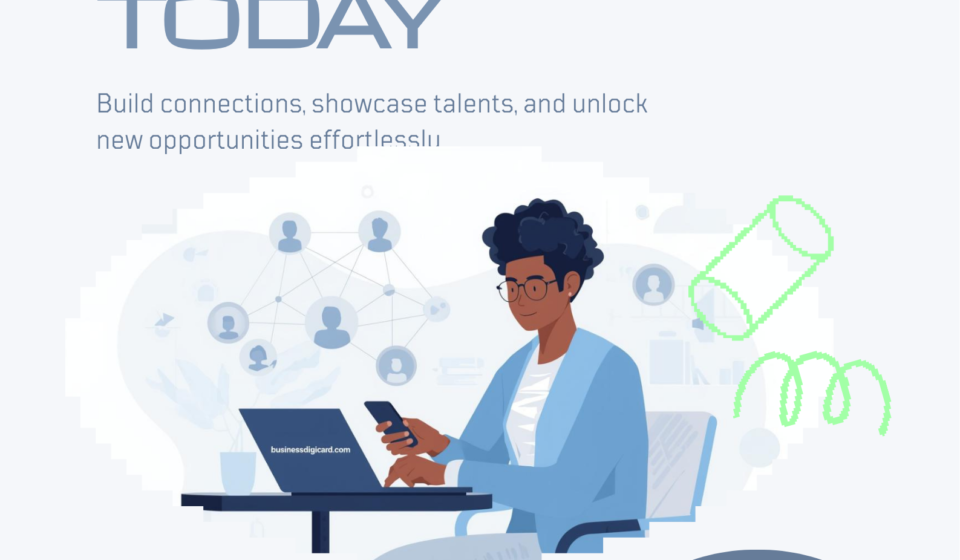
Why Every Student Needs an Online Presence (Even Without a Business)

Introduction
There was a time when having an online presence was optional—something reserved for influencers, businesses, or tech enthusiasts. But in 2026, the digital world has quietly rewritten that rule.
Table Of Content
- Introduction
- What Does “Online Presence” Mean for a Student?
- 1. Your Online Presence Is Your Digital Resume
- 2. You Build Credibility Before Experience
- 3. Opportunities Come to You (Instead of You Chasing Them)
- 4. Networking Becomes Effortless
- 5. You Learn Faster by Sharing
- 6. You Build a Personal Brand Early
- 7. It Opens Doors to Freelancing & Side Income
- 8. You Future-Proof Yourself
- 9. You Control Your Narrative
- 10. It Requires Less Than You Think
- How to Start Your Online Presence (Simple Steps)
- Step 1: Choose Your Platform
- Step 2: Optimize Your Profile
- Step 3: Start Posting
- Step 4: Engage with Others
- Step 5: Build a Simple Portfolio
- Common Mistakes to Avoid
- Final Thoughts
Today, whether you’re a college student, a fresher, or even still in school, your online presence is no longer a luxury—it’s your identity.
And here’s the important part:
You don’t need a business to justify being online.
In fact, students who build a digital presence early often gain opportunities that others don’t even see coming—internships, collaborations, freelance work, and even job offers.
Let’s explore why this matters more than ever.
What Does “Online Presence” Mean for a Student?
When we say “online presence,” we don’t mean becoming a full-time content creator or influencer.
It simply means:
- Being discoverable online
- Having a professional digital identity
- Sharing your skills, thoughts, or journey
This could include:
- A LinkedIn profile
- A simple personal website
- A digital portfolio
- Active participation on platforms like GitHub, Behance, or Twitter (X)
Think of it as your digital first impression.
1. Your Online Presence Is Your Digital Resume
Most students focus only on creating a resume when they need a job. But here’s the truth:
Recruiters today often search your name online before even reading your CV.
If they find:
- A well-maintained LinkedIn profile
- A portfolio showcasing your work
- A blog where you share your learning
You instantly stand out.
But if they find nothing—or worse, irrelevant content—you lose an opportunity without even knowing it.
👉 Your online presence works for you even when you’re not applying anywhere.
2. You Build Credibility Before Experience
One of the biggest struggles students face is:
“I don’t have experience.”
But an online presence helps you flip that narrative.
You can:
- Share what you’re learning
- Post mini-projects
- Document your journey
- Write simple insights
This shows:
- Consistency
- Curiosity
- Initiative
Employers don’t just hire experience—they hire mindset.
3. Opportunities Come to You (Instead of You Chasing Them)
Imagine this scenario:
You regularly post about:
- Design work
- Coding projects
- Marketing ideas
Over time, people start noticing.
And suddenly:
- Someone messages you for freelance work
- A startup offers an internship
- A recruiter reaches out
This happens because your online presence acts like a magnet for opportunities.
Without it, you’re invisible.
4. Networking Becomes Effortless
Networking doesn’t mean attending boring events or forcing conversations.
In the digital world, networking looks like:
- Commenting on posts
- Sharing ideas
- Connecting with like-minded people
You can build relationships with:
- Industry professionals
- Mentors
- Other students globally
And the best part?
You don’t need to be “extroverted” to do it.
5. You Learn Faster by Sharing
There’s a powerful concept:
“When you teach, you learn twice.”
When you share:
- A concept you learned
- A mistake you made
- A solution you discovered
You:
- Understand it deeply
- Retain it longer
- Help others
This turns your online presence into a learning engine, not just a display platform.
6. You Build a Personal Brand Early
Personal branding sounds like a big term—but it’s simple.
It’s what people think of when they hear your name.
For example:
- “She’s great at UI design”
- “He explains coding concepts really well”
- “They share amazing business insights”
Without an online presence, you leave this to chance.
With it, you shape your own narrative.
7. It Opens Doors to Freelancing & Side Income
Even if you don’t have a business, your skills can still earn.
Students today are:
- Designing logos
- Writing content
- Managing social media
- Building websites
And most of these opportunities come through:
👉 Online visibility
A simple portfolio or consistent posting can:
- Attract clients
- Build trust
- Generate income
8. You Future-Proof Yourself
The world is changing fast.
Degrees alone are no longer enough.
Skills + visibility = real advantage.
An online presence ensures:
- You stay relevant
- You adapt to digital trends
- You build a career beyond traditional paths
In short, you don’t just prepare for jobs—you prepare for opportunities that don’t exist yet.
9. You Control Your Narrative
If you’re not online, someone else defines your identity—or worse, you have no identity.
With an online presence, you can:
- Highlight your strengths
- Share your journey
- Tell your story
You’re no longer just:
“Another student”
You become:
“A student who is building something.”
10. It Requires Less Than You Think
Many students hesitate because they think:
- “I need perfect content”
- “I need expensive tools”
- “I’m not ready yet”
But the truth is:
You just need to start.
Start with:
- One post per week
- One simple portfolio page
- One skill you share consistently
Consistency beats perfection every time.
How to Start Your Online Presence (Simple Steps)
Step 1: Choose Your Platform
Start with one:
- LinkedIn (best for professional growth)
- Instagram (for creative fields)
- GitHub / Behance (for portfolios)
Step 2: Optimize Your Profile
- Use a clear photo
- Write a simple bio
- Mention your interests/skills
Step 3: Start Posting
Ideas:
- “What I learned today”
- Mini tutorials
- Project breakdowns
- Personal experiences
Step 4: Engage with Others
- Comment thoughtfully
- Connect with peers
- Follow industry leaders
Step 5: Build a Simple Portfolio
This could be:
- A digital card
- A one-page website
- A Google Drive portfolio
Common Mistakes to Avoid
- Waiting to be perfect
- Copying others blindly
- Being inconsistent
- Posting without purpose
- Ignoring engagement
Final Thoughts
Your online presence is not about showing off.
It’s about:
- Showing up
- Being visible
- Creating opportunities
In a world where everything is becoming digital, staying offline is no longer “safe”—it’s limiting.
You don’t need a business.
You don’t need followers.
You don’t need perfection.
You just need to start.
Because the students who win tomorrow are the ones who are visible today.